

A program
co-funded by:



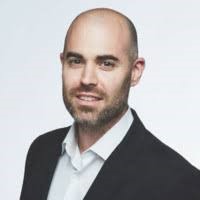
Ernest is the Manager of Catalyst Europe, a network of universities, hospitals and companies that together deploy the Catalyst methodology in Europe. Catalyst is a principled methodology developed by MIT for needs identification and opportunity development, and an organizational model that fosters a vibrant multi-stakeholder community. The Catalyst mission is to increase the potential impact of biomedical research and improve the likelihood that newly developed solutions will address unmet health care needs, while building innovation capacity in the regions involved (aka, Catalyst Hubs).
Prior to MIT, Ernest was Executive Director in the innovation unit at Richi Foundation, where he managed an international innovation program that scouts and selects startups from all over the world and accelerates them by connecting them with the Boston’s innovation ecosystem. Ernest also worked for technological startups and was project manager for Telefonica and Orange.
Ernest earned a Master in Business Administration (Esade Business School), Master in Project Management (La Salle) and Telecommunication Engineering Degree (Universitat Politècnica de Catalunya).
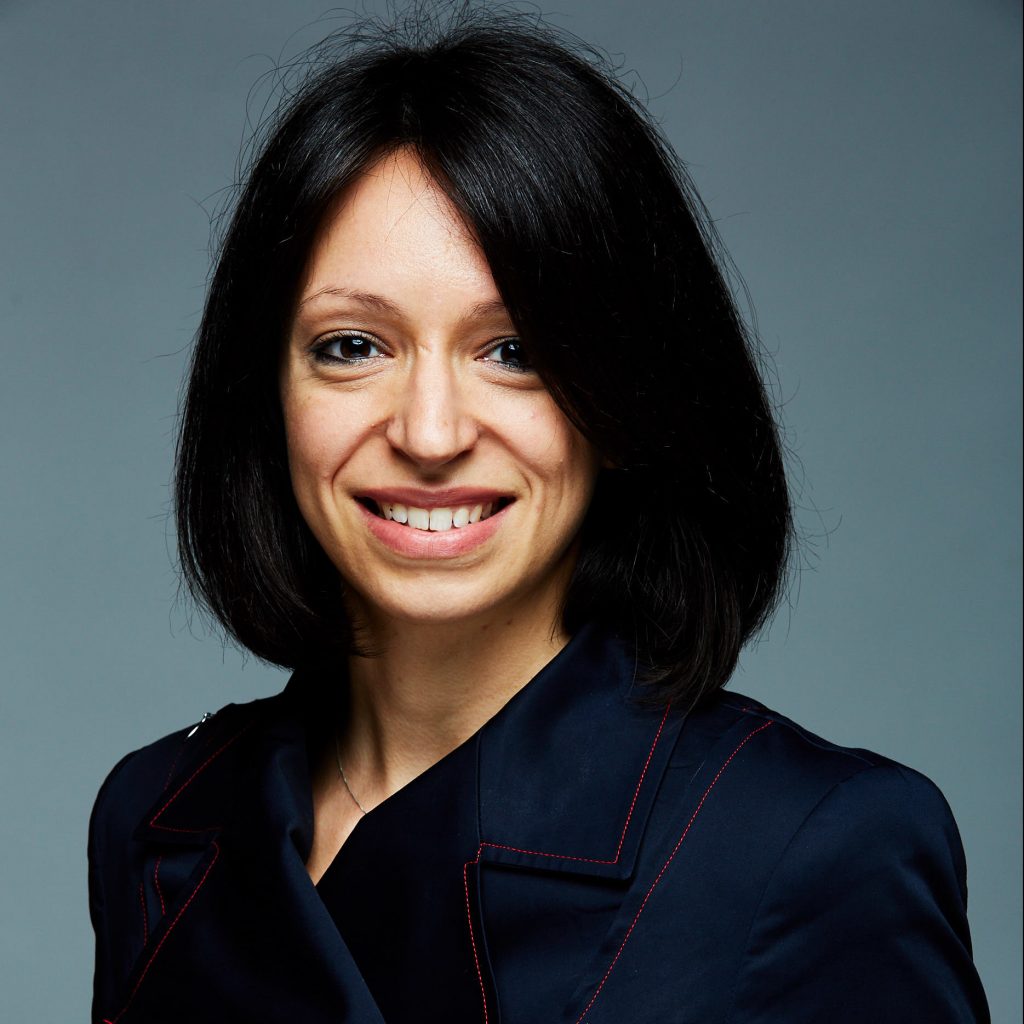
Merce is Operations Manager at Catalyst Europe, a network of universities, hospitals and companies that join forces to deploy the Catalyst methodology in Europe. Catalyst is a principled methodology developed by MIT for needs identification and opportunity development, and an organizational model that fosters a vibrant multi-stakeholder community. The Catalyst mission is to increase the potential impact of biomedical research and improve the likelihood that newly developed solutions will address unmet health care needs, while building innovation capacity in the regions involved (Catalyst Hubs).
Previously, Mercè was Operations Director in the innovation unit at Richi Foundation, where she managed an international innovation program that scouts and selects startups from all over the world and accelerates them by connecting them with the Boston’s innovation ecosystem.
Mercè has been a member of founding teams in 3 different tech-based startups, one of them successfully acquired by a London Stock Exchange AIM listed company. She has participated as a mentor at MIT IDEA2 innovation program.
Merce holds a Master’s degree in IT Management and a Bachelor’s of Science in Telecommunications Engineering, both from La Salle – Universitat Ramón Llull.
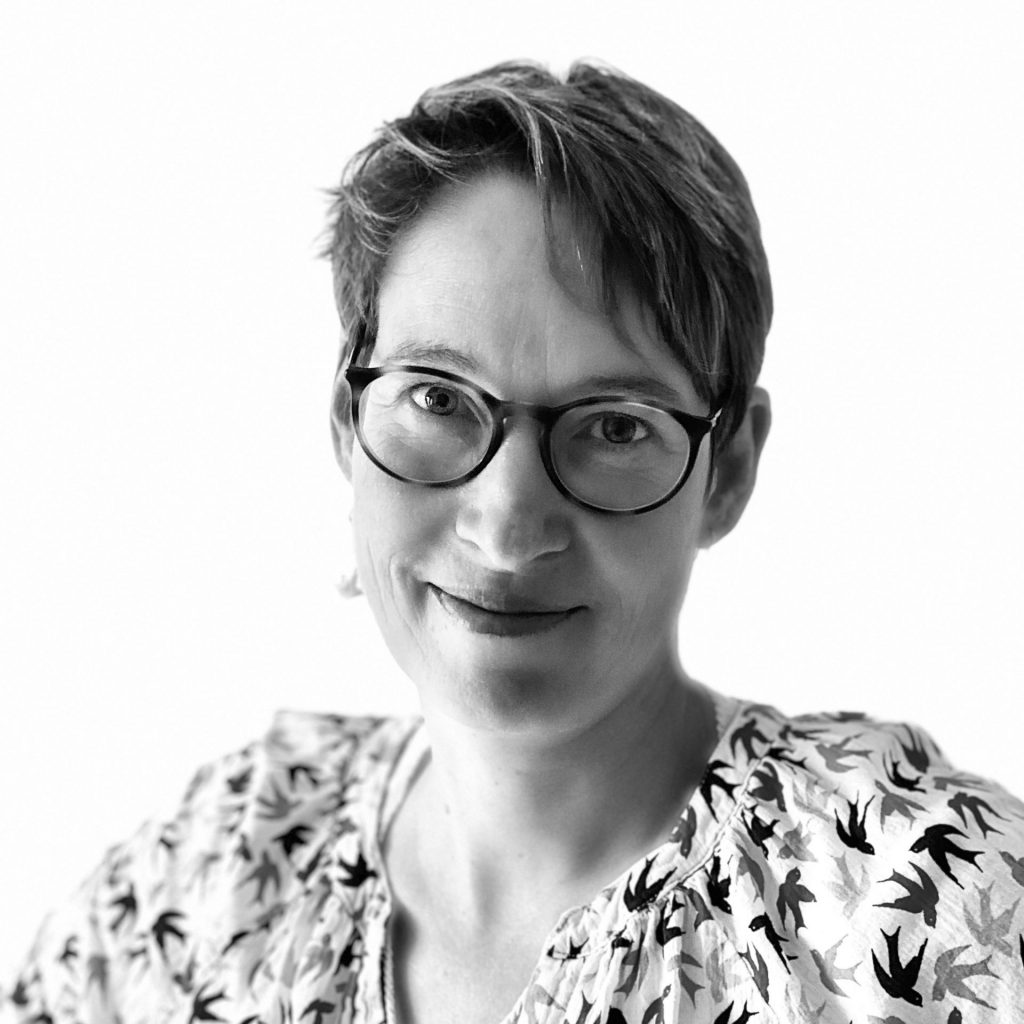
Victoria Goldberg is a Research Assistant at the Central Institute of Medical Engineering at the Friedrich-Alexander University Erlangen-Nuremberg. Next to her position as the Erlangen Hub Coordinator for Catalyst Europe, she also oversees the EIT Health reporting for the MedTech Entrepreneurship Lab (a prototype building course) and is involved in the FAU Sandbox team (www.sandbox.fau.de), a program to support and fund 10 local University start-ups over the summer months. She has experience in marketing communication especially in strategic planning, branding and market research (automotive). Having studied a couple of semesters of medicine she also has a keen interest in medical innovations. Victoria hold a Master’s degree in Marketing Communication from the University of Westminster and a Bachelor’s Degree in Image and Communication studies from the University of Kent.
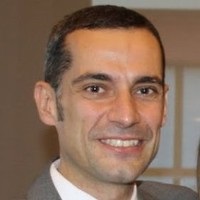
Juan José Gómez Valverde is an Assistant Professor in the Electronic
Engineering Department at Universidad Politécnica de Madrid and a
researcher in the Biomedical Research Networking Center in
Bioengineering, Biomaterials and Nanomedicine. He graduated in
Telecomunicación Engineering and completed a Master program on
Biomedical Engineering at the Universidad Politécnica de Madrid (UPM).
He obtained his PhD degree with international mention from UPM for his
contribution with new image processing methods for computer-aided
screening. His main researcher interests are related with screening for
diseases, biomedical image processing, artificial intelligence, optical
image analysis and telemedicine.
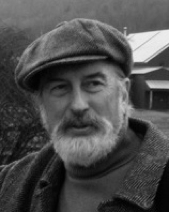
Dr. Hansen’s scientific career has been centered on using mathematical physics within complex biological problems to produce practical results. Fifty years ago, his Harvard undergraduate advisor and later Nobel Laureate in physics, Roy Glauber, suggested that his interdisciplinary interests might be best applied to solving problems in the life sciences. He took that advice and found a fledgling program at Northeastern University in Boston where he could take graduate degrees in Electrical Engineering while solving life science problems. For his Masters Degree in the mid-1960’s Peter developed experimental animal models and mathematical models for laser retinal surgery that combined comparative anatomy, engineering heat transfer and protein denaturation kinetics. His Doctoral dissertation in the late 1960’s introduced him to a lifelong respect for the art of collaboration. For that work he showed experimentally that connective tissue could generate coherent optical second harmonic generation (coherent two-photon) and constructed a mathematical model for the process. Without collaborations with George Benedek at MIT Materials Science, Samuel Fine at MGH Dermatology, and Theodore Maiman, at Korad Corporation the inventor of the laser who built a custom system for Peter’s work, none of this would have been possible.
Dr. Hansen’s career has been almost exclusively in forming businesses and personally conducting commercial science. He is mindful of having been mentored in the 1970s by Louis Kamentsky, who worked in a commercial environment at IBM and is recognized as having created the idea of multi-parameter flow cytometry. Since meeting Lou, Peter has worked to develop multi-parameter flow cytometry, from single cells to multicellular organisms such as c elegans. This commercial life has exposed him to a wonderful variety of experiences. He participated in the first use of antibody therapy in the late 1970’s at MGH by constructing a cellular analysis device that could monitor immunosuppression in transplant patients. Devices like this now count CD4 cells in HIV patients. He began working with plasmonic nanoparticles in the 1980’s and developed commercial products ranging from solution-phase immunoassays to a point-of–care application whereby HIV therapy could be monitored in resource challenged regions. He currently works on extending this technology to understanding the immune response to ovarian cancer. He is guided by defining un-met needs, forming a collaborative, cross-disciplinary, team for solutions and seeking commercial ways to bring the solution to the public, both in the industrialized and developing worlds.
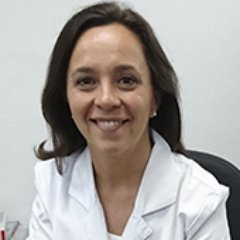
Dr María Luaces, MD, PhD is an Attending Cardiologist at the Cardiovascular Imaging Section of the Cardiovascular Institute Hospital Clínico San Carlos, and a Professor at the School of Medicine, Universidad Complutense de Madrid. She completed her Residency in Cardiology at Hospital Clínico San Carlos and received her PhD from Universidad Complutense de Madrid. She trained in Cardiac MRI and Cardiac CT at the Hospital of the University of Pennsylvania. She also serves at CEO at the Innovation Unit of the Hospital Clínico San Carlos.